The four novels in the order to read them, the editions to buy, and the one biography that makes sense of her
By Jenny Eich23 November 20263 min read5 books
This site earns from qualifying purchases as an Amazon Associate and Bookshop.org affiliate, at no extra cost to you. Every book here was chosen by hand.How this works
Charlotte Brontë wrote four novels, and English readers know one of them. Jane Eyre sold on publication in 1847, has never been out of print, and has so thoroughly become a story everyone knows that it crowds out the rest of her work, including a later novel that a good many critics and most devoted readers consider her best.
This guide is a reading order rather than a ranking. It starts with Jane Eyre because everything else answers it, moves to Villette, the strange, withholding Brussels novel she wrote after the deaths of her brother and both sisters, then to the social novel Shirley and the posthumous first attempt, The Professor. It ends with the biography that makes the four cohere, because with Brontë the life is not gossip; it is the key.
Editions matter less here than with the translated classics, but notes matter: the French in Villette and the Luddite history in Shirley need explaining, and the Penguin Classics editors do it well.
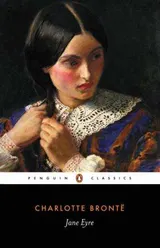
An orphan governess, a locked attic and the most famous proposal in English fiction, told in a first person so direct that readers still argue with Jane as if she were in the room. If you read it at school, read it again now: the book about anger and money is not the one the syllabus taught. Ideal as the starting point, obviously, and the Penguin edition with Stevie Davies’s notes is the one to own.
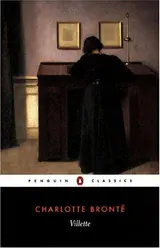
Lucy Snowe, poor and English, teaches at a girls’ school in a thinly disguised Brussels and tells you less about herself than any narrator in the century, which is the point. It is colder, stranger and more modern than Jane Eyre, and many readers who come to it late decide it is the better book. Ideal for the second reading; Helen Cooper’s Penguin edition explains the French and the Catholicism that Lucy fights.
Yorkshire in 1811, machine-breaking mill workers, two heroines and a social novel written while Charlotte’s brother and both sisters were dying. It is uneven and long and has the best portrait of a friendship between women in Victorian fiction. Ideal for readers who want the Brontë who read the newspapers; the Penguin edition’s notes on the Luddite history are needed and good.
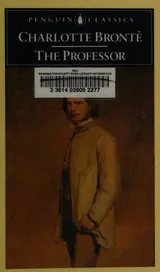
The first novel she wrote and the last published, after her death: a young Englishman teaches in Brussels and falls for a fellow teacher, which is Villette’s material seen from the other side, in a plainer style. It is short and worth an afternoon once the other three are read. Ideal for completists, and for anyone curious how Villette grew from it.
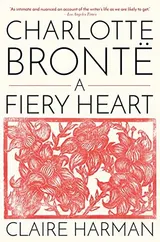
Harman’s biography is the one to read after the novels: brisk, unsentimental and precise about the parsonage, the Brussels infatuation that made Villette, the deaths of all three siblings in nine months, and the late marriage. It corrects the myth without deflating the story. Ideal for readers who finished Villette and need to know how much of it was true; a good deal.
Also considerJuliet Barker’s The Brontës (Abacus, revised 2010), the long family biography, if one Brontë is not enough.
The order is Jane Eyre, Villette, Shirley, The Professor, then Harman. Villette is the destination; the others are the road to it and the context after it. Readers who want the sisters next should go to Emily’s Wuthering Heights and Anne’s The Tenant of Wildfell Hall, each of which will get a guide of its own.
Marcus Aurelius wrote notes to himself in Greek, never meant for publication, and the English versions range from crisp aphorisms to annotated scholarship. Four current translations compared on the same three passages: one answer for a page a day, another for understanding the Stoics.
García Márquez made magical realism the brand, and the brand hides a continent. These seven books, from a 1955 novella that Márquez learned by heart to a 2016 story collection that scared Argentina, show what else Latin American fiction has been, each in a strong English translation and one with a choice of two.
The Victorian novel is bigger than its two famous names. These seven, from a strike in a northern mill town to a swindler’s rise through London society, are the ones that reward a reader now, each in the Penguin Classics edition whose notes explain the money, the law and the manners.