Seven modern novels that already read like future classics
Published in the last thirty years, still in print, still argued about, and likely to be on the shelf in fifty
By Jenny Eich22 November 20263 min read7 books
This site earns from qualifying purchases as an Amazon Associate and Bookshop.org affiliate, at no extra cost to you. Every book here was chosen by hand.How this works
Publishers call every third novel an instant classic, which tells you nothing. What marks a book that will still be read in fifty years is harder to see at the time: unforgettable characters, a moral problem that does not resolve, and prose that rewards a second reading more than the first.
This list keeps to novels published since the early 1990s that are still in print, still recommended by readers rather than syllabuses, and still argued about. Left out are books that won big prizes and then went quiet, and books that depend on a twist you can only meet once. Several of these have already had the test of a film or a series and survived it.
They are ordered from the warmest to the strangest. None is difficult; several are long.
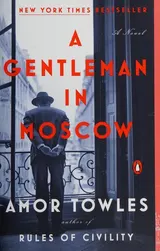
In 1922 a Russian count is sentenced to live out his life inside Moscow’s Metropol hotel, and the novel is thirty years of what he makes of it: friendships, a child, a kitchen, a code of conduct. It is warm and witty without being soft, and it is the most re-read book on this list. Ideal for readers who want a long novel to live inside, and for anyone who needs cheering up without being lied to.
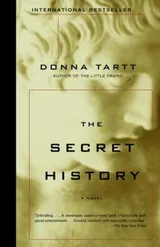
Six classics students at a Vermont college commit a murder, and Tartt tells you so on page one, then spends five hundred pages making you understand why. It invented a genre people now call dark academia and remains better than everything written in imitation of it. Ideal for readers who like a slow, atmospheric novel with a cold centre.
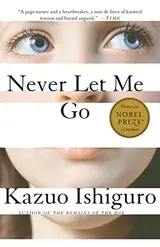
Three friends grow up at an English boarding school that is not quite what it seems, and Ishiguro lets the truth arrive so gradually that you accept it as they do. It is science fiction with no technology on the page and the quietest devastating ending in modern fiction. Ideal for readers who think they dislike speculative fiction, and for rereading once you know.
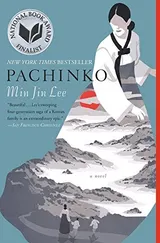
Four generations of a Korean family in Japan, from a boarding house in 1910s Busan to Tokyo pachinko parlours in the 1980s, carried by one of the great matriarchs in recent fiction. Lee tells a hundred years of discrimination through the price of rice and the shame of a job. Ideal for readers of big family sagas who want one about a history they do not know.
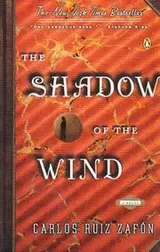
A boy in post-war Barcelona is taken to the Cemetery of Forgotten Books and chooses one, and someone has been burning every other copy. Ruiz Zafón wrote a Gothic mystery for people who love books about books, and Lucia Graves’s translation gives it the right fog. Ideal for readers who want plot, atmosphere and a city, and do not mind a little melodrama.
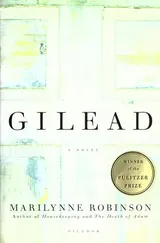
A dying Iowa minister writes a long letter to his seven-year-old son in 1956, about his father and grandfather, about light on water, and about a prodigal who has come home. It won the Pulitzer and it is the closest thing in modern American fiction to a book of wisdom. Ideal for patient readers, religious or not, who want prose worth reading aloud.
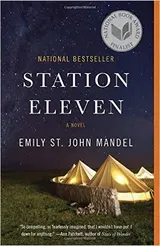
A flu ends civilisation and twenty years later a travelling company performs Shakespeare to the settlements that remain, because, as their caravan says, survival is insufficient. Mandel wrote the hopeful post-apocalyptic novel before the pandemic made it look prophetic. Ideal for readers who want the genre without the gore, and for anyone who works in the arts.
What these books share is restraint: each withholds something, a motive, a truth, an ending, and trusts the reader. That seems to be what lasts. If you want one to start with, take Towles for comfort or Ishiguro for the opposite.
Murakami opened the door; these are the rooms behind it. Seven novels, from a 1914 classic about a dying friendship to a 2019 bestseller about bodies and money in Osaka, each in a current translation by a named translator, ordered from the most welcoming to the strangest.
García Márquez made magical realism the brand, and the brand hides a continent. These seven books, from a 1955 novella that Márquez learned by heart to a 2016 story collection that scared Argentina, show what else Latin American fiction has been, each in a strong English translation and one with a choice of two.
Some prize winners feel like homework; some are page-turners that happened to win. These six Booker winners from the last seventeen years are ranked from most accessible to most experimental, with a note on how to read each one.