Classic Literature
The Jules Verne novels worth reading, in the translations that do him justice
Why the Verne on most English shelves is a Victorian abridgement, and the five modern editions that restore him
By Jenny Eich23 November 20263 min read5 books
This site earns from qualifying purchases as an Amazon Associate and Bookshop.org affiliate, at no extra cost to you. Every book here was chosen by hand.How this works
Jules Verne is the most translated French author in history and, in English, one of the worst served. The versions that filled British and American shelves for a century were made in the 1870s by translators paid by the page, who cut the science they did not understand, dropped chapters, changed names and added mistakes of their own. The 1872 Twenty Thousand Leagues lost about a fifth of the book and gave Nemo iron plates measured in the wrong units. Those texts are out of copyright, so they are still what most cheap editions reprint.
Since the 1990s a small group of scholars, above all William Butcher and Frederick Paul Walter, have retranslated the major novels from Verne’s French, restored the cuts and explained the science in notes. The difference is not small: Verne in a good translation is a sharp, funny, politically alert writer, not the children’s author the old texts made him.
This guide picks five novels in those editions, in the order to read them, and names the old versions to avoid.
What the old translations did to Verne| Novel | Common old text | Modern translation to buy |
|---|
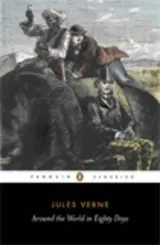
| Around the World in Eighty Days | George Towle, 1873: serviceable but dated | Michael Glencross, Penguin Classics |
|---|
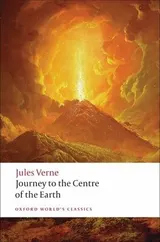
| Journey to the Centre of the Earth | Anonymous 1871 ‘Griffith & Farran’ text: renamed characters, rewritten chapters | William Butcher, Oxford World’s Classics |
|---|
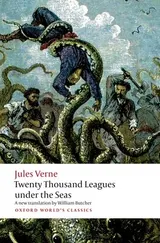
| Twenty Thousand Leagues under the Seas | Lewis Page Mercier, 1872: about a fifth cut, measurements and science mangled | William Butcher, Oxford World’s Classics |
|---|
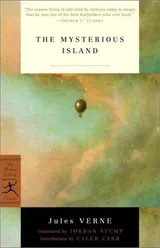
| The Mysterious Island | W. H. G. Kingston, 1875: heavily cut and softened | Jordan Stump, Modern Library |
|---|
| From the Earth to the Moon and others | Various 19th-century hack versions | Frederick Paul Walter, Amazing Journeys omnibus |
|---|
Each row links to its entry below.
The books
Phileas Fogg, Passepartout and a wager at the Reform Club, in Verne’s tightest and funniest book, still read in a sitting. Glencross’s Penguin translation is current, brisk and annotated, and it is the right first Verne because nothing in it needs the science explained. Ideal for readers who think they know the story from the films and have never met Fogg on the page.
Also considerWilliam Butcher’s version in Oxford World’s Classics, with a fuller apparatus, if you prefer the Oxford format for the whole set.
The same translation question, settled for Dumas, in the Monte Cristo guide →
A German professor, his reluctant nephew and an Icelandic guide descend a volcano and keep going, in the novel that invented the lost-world genre. The 1871 English text renamed the nephew and rewrote whole chapters; Butcher’s Oxford translation gives back Verne’s own, with notes on the geology he was reading. Ideal for readers who want the second step, and for anyone who loved it as a child and wonders whether it holds up: it does.
03.Jules Verne (1870)
Translated by William Butcher, Oxford World’s Classics, 1998, revised 2019
Captain Nemo, the Nautilus and a year under the sea, and the book most damaged by its English history: the 1872 Mercier translation cut almost a quarter, mistranslated the measurements and made Nemo’s politics vanish. Butcher’s Oxford edition is complete, exact and the one serious readers use; note the plural Seas in the title, which is Verne’s. Ideal for the third reading, when the first two have shown you what Verne can do at length.
04.Jules Verne (1875)
Translated by Jordan Stump, Modern Library, 2001, the first complete English text
Five Union prisoners escape Richmond by balloon and land on an uncharted Pacific island, where they rebuild civilisation from nothing and discover who has been watching them. It is Verne’s longest and most generous book and, until Jordan Stump’s 2001 translation, no complete English text existed. Ideal for readers who finished Twenty Thousand Leagues and want to know what became of Nemo; read it last of the four.
05.Jules Verne (1863)
Translated by Frederick Paul Walter, Excelsior Editions, 2010; Five Weeks in a Balloon, Journey to the Center of the Earth, From the Earth to the Moon, Around the Moon and 20,000 Leagues in one volume
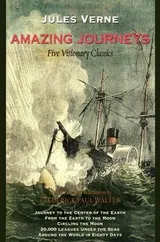
Five novels in one volume, all newly translated by Frederick Paul Walter, the American scholar who spent decades on Verne: Five Weeks in a Balloon, Journey to the Center of the Earth, From the Earth to the Moon, Around the Moon and 20,000 Leagues. Walter’s English is plainer and more American than Butcher’s, and the two Moon novels are hard to find in good translations anywhere else. Ideal for readers who want the whole first decade of Verne on one shelf, or a gift that will last a winter.
Read Around the World first, then Journey, then Twenty Thousand Leagues, then The Mysterious Island; the Walter omnibus covers the Moon novels and doubles as the collector’s choice. Whatever you do, check the translator’s name before buying a cheap edition: a Verne with no translator credited is almost always the Victorian text.