Seven 20th-century American noir novels that read like literature
Cain, Chandler, Hughes, Highsmith, Himes, Thompson and Macdonald, in the Vintage, NYRB and Norton editions that keep them in print
By Jenny Eich23 November 20263 min read7 books
This site earns from qualifying purchases as an Amazon Associate and Bookshop.org affiliate, at no extra cost to you. Every book here was chosen by hand.How this works
American crime fiction of the mid-century was written fast, for money, in paperbacks with lurid covers, and some of it is as good as any fiction the country produced. The critics caught up late; the Library of America, which canonises American writing in black hardcovers, now gives the noir novelists their own volumes alongside Melville and James.
This guide picks seven novels that stand as literature with no apology: tight, first-person, morally exact, and written in sentences that other writers have been stealing from for eighty years. Each is short, each is in a good modern paperback from Vintage Crime, NYRB Classics, Norton or Penguin, and together they cover thirty years and both coasts.
The order is a reading path rather than a ranking, from the purest and shortest to the one that bent the form furthest.
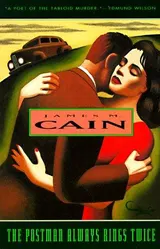
A drifter stops at a roadside diner, wants the owner’s wife, and the two of them decide to kill the owner, in a hundred pages of first-person prose with no fat on it at all. Camus said it taught him how to write The Stranger. Ideal for readers who want the purest example of the form, in an afternoon.
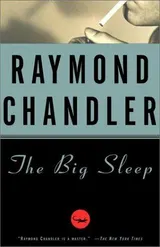
Philip Marlowe is hired by a dying general about a blackmailer and the plot famously never quite closes, which matters less than anyone expects, because the sentences do. Chandler turned the private eye into a style, and the style is still imitated and never matched. Ideal for readers who have seen the film and never read the prose; the Vintage edition is the standard one.
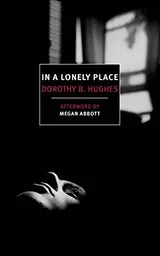
Postwar Los Angeles, a charming ex-pilot, and a narrator the reader slowly realises is the strangler the police are hunting. Hughes wrote it in 1947 and it is the first great novel from inside a serial killer’s head, without a drop of gore. Ideal for readers who think they know noir and have not met its best woman writer; the NYRB Classics edition brought it back.
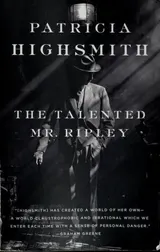
Tom Ripley is sent to Italy to bring home a rich man’s son and decides he would rather become him, and Highsmith makes you want him to get away with it. The first of five Ripley novels and the one that needs no sequel. Ideal for readers who want a crime novel without a detective, and a villain you will defend at dinner parties.
A gullible hearse driver, a trunk of fake gold ore and the two black detectives, Coffin Ed and Grave Digger, who try to keep order in a Harlem Himes draws as both farce and tragedy. It is violent, funny and faster than anything else on this list. Ideal for readers who want noir with a social world in it; the Penguin Modern Classics edition keeps it in print.
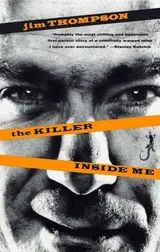
A small-town Texas deputy, pleasant to everyone, tells you in his own voice about the people he kills, and Thompson never lets you out of his head. It is the most disturbing book here by a distance and one of the great unreliable narrations in American fiction. Ideal for readers who can take it, and who want to see how far the form could go.
Lew Archer, the private eye who listens more than he talks, is hired to find a runaway bride and uncovers a murder twenty years old, in the novel where Macdonald perfected the plot that turns on a buried family secret. The last chapter is still a shock. Ideal for readers who want detection as well as atmosphere, and who liked Chandler but wanted the mysteries to resolve.
Also considerThe Library of America’s two-volume Crime Novels: American Noir of the 1930s, 40s and 50s, which collects Cain, Hughes, Thompson and others in sewn hardcovers built to last.
Read Cain first because it is short and sets the terms, then Chandler and Hughes together for Los Angeles from both sides of the law, Highsmith for the villain, Himes for the city, and keep Thompson for a strong stomach. Macdonald last, because he is the one who turned the form into something that could carry a family tragedy.
Some histories are read for information; these seven are read the way novels are, for character, pace and the dread of knowing how it ends. From the first month of 1914 to a Soviet kitchen table after the collapse, each is long, sourced to the footnote, and named in the edition whose binding will last.
The best translated fiction of the last decade has come from small presses with strong design and short lists, and much of it is under 220 pages. Seven books, from a Nobel laureate’s forest in Norway to a Hungarian childhood written in a notebook, each in an edition worth owning for its own sake.
Not every classic is a 900-page doorstop. These eight run from 60 to 190 pages, each can be finished in a weekend, and several are better than the long books that made their authors famous.