Seven narrative histories that read like great novels
Tuchman, Schama, Caro, Alexievich, Judt, Beevor and Millard, in editions built to survive six hundred pages
By Jenny Eich23 November 20263 min read7 books
This site earns from qualifying purchases as an Amazon Associate and Bookshop.org affiliate, at no extra cost to you. Every book here was chosen by hand.How this works
There is a kind of history that readers of fiction finish in a week and remember for years: sourced to the footnote, inventing nothing, and built by someone who knows how a novel works, where to cut a chapter, which minor figure to follow, when to let the reader see the disaster coming before the people in it do. The best of these books are as long as Middlemarch and as hard to put down.
This guide picks seven, all substantial, all in print in editions that will survive being read on trains. It follows an earlier guide on this site that covered the faster, thriller-paced end of narrative history; these are the novel-sized ones, from the first month of the First World War to the last years of the Soviet Union, with the French Revolution, Stalingrad and New York between.
They are ordered from the most approachable to the one that asks the most and gives the most back.
The first month of the First World War, from the funeral of Edward VII to the eve of the Marne, told through the generals and ministers who stumbled into it, and the model for every narrative history since. Kennedy read it during the Cuban missile crisis and said it changed his decisions. Ideal for readers new to the genre; the Presidio paperback has lasted through sixty years of printings.
After losing the 1912 election, Theodore Roosevelt went down an unmapped Amazon tributary with his son and a Brazilian explorer and nearly died, and Millard tells it with the pace of an adventure novel and the detail of a naturalist. It is the shortest book here and the easiest to give. Ideal for readers who want a true survival story with a famous man at the centre of it.
The French Revolution from the 1770s to the Terror, told through the people who made it and were eaten by it, with a thesis, that the violence was the point rather than the accident, argued through nine hundred pages of scenes. The Revolutionary France guide on this site promised this book; here it is. Ideal for readers who finished Mantel’s novel and want the history that reads nearly as well.
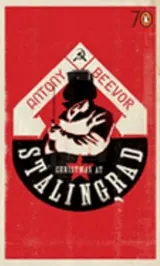
The battle that turned the Second World War, from the German advance to the surrender in the ruins, told from both sides and from the diaries and letters of the men who froze there. Beevor made military history read like fiction without inventing anything. Ideal for readers who think they do not read war books, and for a long winter.
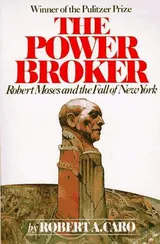
Robert Moses never held elected office and built more of New York than anyone, and Caro’s 1,200-page biography is also the story of how power works in a modern city and what it costs the people in the way. It is the book journalists and politicians press on each other. Ideal for readers who want the great American non-fiction epic; the Vintage paperback is the standard and the only edition, so buy it new for the binding.
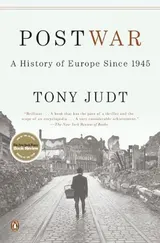
Europe from 1945 to 2005, east and west together, in a single narrative that moves from the ruins to the euro without ever losing the thread or the reader. It is the best one-volume history of the continent in English and it is nine hundred pages. Ideal for readers who want the whole picture once; the Penguin paperback is sewn and survives it.
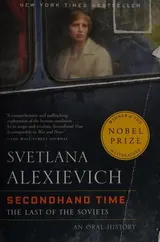
Alexievich spent twenty years interviewing people across the former Soviet Union about what the collapse did to them, and arranged their voices into a chorus that won the Nobel Prize in 2015. There is no narrator; the people speak, and the effect is of a novel with a hundred first persons. Ideal for readers who want to understand Russia now, and who can take grief in bulk; Bela Shayevich’s translation is the one to read.
Start with Tuchman or Millard for pace, go to Schama and Beevor for the big set pieces, keep Caro and Judt for the long evenings, and end with Alexievich, which is the one that will not let you go. The earlier narrative-history guide on this site covers the thriller end of the genre; this one is for readers who want the novel-sized books.
The best translated fiction of the last decade has come from small presses with strong design and short lists, and much of it is under 220 pages. Seven books, from a Nobel laureate’s forest in Norway to a Hungarian childhood written in a notebook, each in an edition worth owning for its own sake.
The Victorian novel is bigger than its two famous names. These seven, from a strike in a northern mill town to a swindler’s rise through London society, are the ones that reward a reader now, each in the Penguin Classics edition whose notes explain the money, the law and the manners.
Narrative non-fiction is history written by people who know how a novel works: real events, real documents, and a structure that keeps you up past midnight. A serial killer at a World’s Fair, a shipwreck and a mutiny, a Cold War defector, and three more.