Classic Literature
The best English translations of Madame Bovary
Three translators, one sentence, and why Lydia Davis is not the only answer
By Jenny Eich20 November 20262 min read3 books
This site earns from qualifying purchases as an Amazon Associate and Bookshop.org affiliate, at no extra cost to you. Every book here was chosen by hand.How this works
Flaubert said he wanted a book held together by the strength of its style alone. That is a hard thing to carry into another language, because the style is in the exact weight of each clause, and English does not weigh clauses the way French does.
There are more than twenty English versions of Madame Bovary. Most are out of print or Victorian. Three modern translations are easy to find, well edited and worth your money, and they make different choices on nearly every page. The comparison rests on the same four passages in each: the opening schoolroom scene, Emma’s wedding cake, the agricultural fair, and the final pages.
The question is not which is “most accurate”. All three are. The question is whether you want Flaubert’s coolness preserved at the cost of some fluency, or an English that moves easily at the cost of a little temperature.
The three translations compared| Translator | Publisher and year | Register | Best for |
|---|
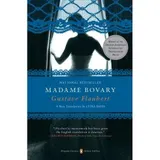
| Lydia Davis | Penguin Classics Deluxe, 2011 | Precise, cool, faithful to the syntax | Readers who want Flaubert’s exact temperature |
|---|
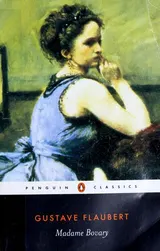
| Geoffrey Wall | Penguin Classics, 2003 | Fluent, slightly warmer, strong notes | A first reading; students |
|---|
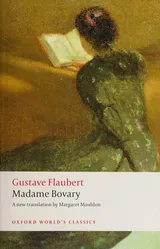
| Margaret Mauldon | Oxford World’s Classics, 2008 | Plain and quick, excellent introduction | Reading alongside the French |
|---|
Each row links to its entry below.
The books
Davis keeps Flaubert’s sentences at their original length and refuses to tidy his rhythm, so the famous cold irony survives intact. It is the translation to own if you have read the novel before and want to hear the prose rather than follow the plot. The Deluxe edition has generous margins and a cover that will not embarrass you. Ideal for readers who already know the plot and want the closest thing to Flaubert’s own sentences.
Also considerFrancis Steegmuller’s 1957 version (Everyman’s Library) if you prefer a mid-century American ease; it is still in print in hardcover.
Wall reads as the most natural English of the three, and his notes are the most useful for a first reader who wants to know what a notary or a prefecture is. A little of Flaubert’s chill is lost in the warmth. Ideal for a first encounter, and for students who will lean on the notes.
Mauldon’s version is brisk and clear, with Malcolm Bowie’s introduction the best short essay on the novel in any of these editions. It is the cheapest of the three and the easiest to carry. Ideal for readers with the French text open beside it, and for anyone who wants the cheapest sound edition.
Also considerAdam Thorpe’s 2011 translation (Vintage Classics) is the most radical, avoiding words that entered English after 1857. Interesting, not a first choice.
If you buy one, buy Davis and read it slowly. If you are reading for the first time, buy Wall and come to Davis later. Whichever you choose, read the agricultural fair in Part Two, chapter eight, twice: once for the plot and once for the way Flaubert cuts between the speeches and the seduction. That is the sentence-level music the translators are fighting over.